When Visible Veins Require Medical Attention
Emergency note: If a visible vein appears suddenly accompanied by pain, swelling, or warmth, seek medical care promptly to rule out serious circulatory conditions such as blood clots.
Assessing Visible Veins: A Quick Self-Check
Visible veins are often harmless and related to normal bodily changes, but the key question is whether the appearance of these veins is new, sudden, or accompanied by symptoms. Start by asking yourself:
- Have these veins appeared abruptly without any obvious cause?
- Are you experiencing any discomfort such as pain, swelling, tenderness, or a sensation of heat around the vein?
- Is there any change in the skin texture, color, or sensitivity near the veins?
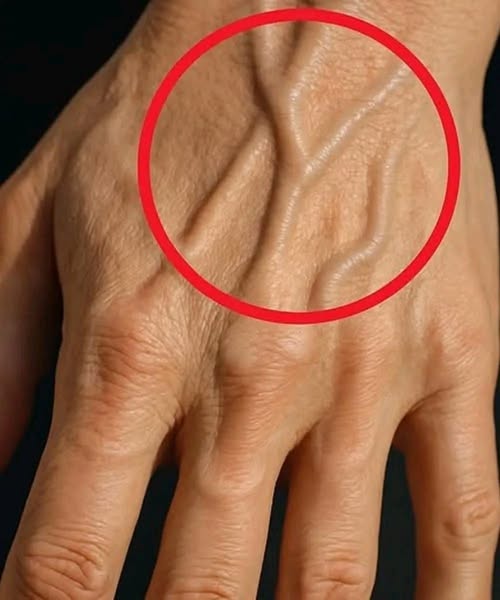
- Are the veins unusually thick, hard, or twisted?
If you answer yes to any of these questions, it is wise to consult a healthcare professional for assessment. This is especially important if these changes occur without recent changes in activity level, body weight, or environmental temperature.
Check Your Medicine Cabinet and Lifestyle
Certain medications and lifestyle factors can influence vein visibility. For example, hormonal therapies, blood pressure medications, or prolonged standing may affect circulation and vein prominence. Weight loss or increased muscle mass from regular exercise can also make veins more noticeable. Consider whether any recent changes in these areas align with the timing of your visible veins.
Understanding these factors can help differentiate harmless causes from signs that merit medical evaluation. For instance, veins that appear more visible after exercise or during hot weather usually resolve naturally. Conversely, new veins accompanied by pain or skin changes should prompt a professional evaluation.
Visible veins are common and often benign, but awareness and timely action are essential to rule out vascular disorders. If you have concerns or unexplained symptoms, a simple consultation with your doctor can provide clarity and peace of mind.
Here are the 10 most relevant causes and signs to consider. Number 7 highlights symptoms that should never be ignored and require prompt consultation.